
Not every plumbing issue is an emergency, but some absolutely are.
Knowing the difference between a minor inconvenience and a genuine plumbing emergency can save you time, money, and serious damage to your home.
A plumbing emergency is any situation that poses an immediate risk to your property, safety, or health, or results in the total loss of essential services like water, heating, or sanitation. These issues require prompt professional attention to prevent severe water damage, structural problems, mould growth, or health hazards.
1. Burst or Severely Leaking Pipes
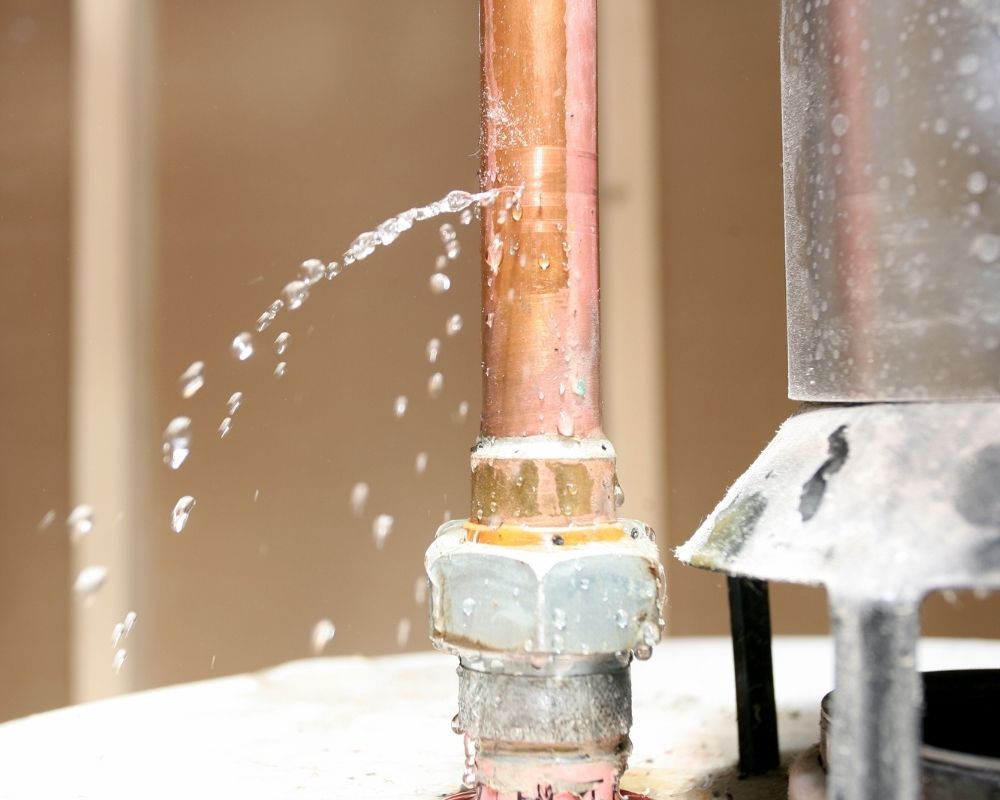
A pipe that is spraying water or causing active flooding is a clear emergency, especially if the leak cannot be stopped using a local isolation valve.
Burst pipes can cause serious damage within minutes, including:
- Warped flooring
- Ceiling collapse
- Electrical hazards
- Long-term mould growth
Immediate action is critical.
2. Sewage Backups
If wastewater is coming back into your home through toilets, sinks, or drains, this is a major health risk.
Raw sewage contains harmful bacteria and contaminants. This is not just unpleasant, it’s hazardous and requires immediate professional attention.
3. An Uncontrollable Overflowing Toilet
If a toilet continues to overflow after attempting to shut off the water supply at the base, this becomes an emergency.
Continuous overflow can quickly lead to property damage and sanitation issues.
4. Complete Loss of Water Supply
If your property suddenly has no running water and the issue isn’t due to a known utility disruption, this may indicate a serious leak or supply problem.
A home without water quickly becomes uninhabitable.
5. No Heating or Hot Water (Especially in Winter)
Loss of heating or hot water during cold weather isn’t just uncomfortable; it can be dangerous.
In freezing conditions, lack of heating increases the risk of:
- Frozen pipes
- Burst pipe damage
- Health risks for elderly or vulnerable occupants
During winter, heating failures should always be treated as urgent.
6. Gas Leaks
If you smell gas (often described as a “rotten egg” smell) or hear a hissing sound near a gas appliance:
- Leave the property immediately
- Do not use electrical switches
- Contact emergency gas services
Gas leaks are life-threatening and must never be ignored.
7. Flooding from Appliances
Uncontrolled water from washing machines, dishwashers, or water heaters can quickly escalate.
If water is spreading rapidly and cannot be contained, it is an emergency.
8. Frozen Pipes
A frozen pipe that hasn’t burst yet is a warning sign.
Once thawed, frozen pipes frequently split, causing sudden flooding. Acting quickly can prevent a much bigger problem.
What Is NOT Generally an Emergency (But Still Needs Attention)
These include:
- Dripping taps
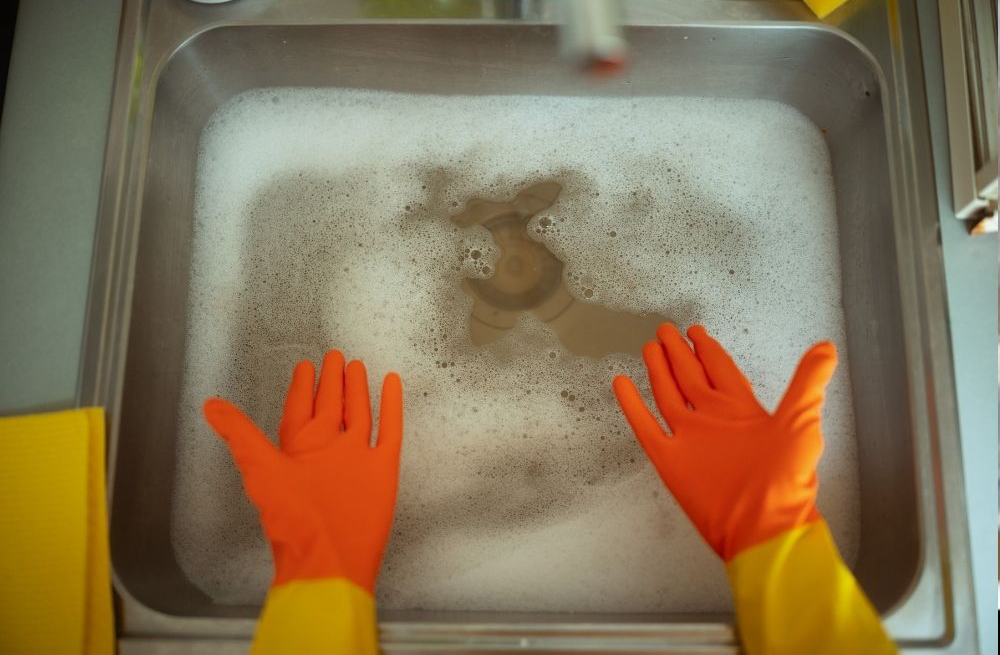
- Slow draining sinks or baths
- A running toilet that can be isolated
- Small, contained leaks
- Low water pressure
While these issues should be repaired, they do not typically require emergency call-out unless they worsen.
Ignoring them for too long, however, can lead to larger problems.
If you’re dealing with an active leak or burst pipe, acting quickly is essential. Shutting off your main water supply and reducing damage should be your first priority.
For a full step-by-step guide on what to do, read our article: What to Do Immediately If a Pipe Bursts in Your Home
Need Urgent Plumbing Assistance?
If you’re experiencing a plumbing emergency, don’t wait.
At Deakins Plumbing & Heating, our experienced engineers are on hand to help with urgent issues throughout Chorley, Leyland, Bolton, Preston and surrounding areas. We provide reliable, professional support for:
- Leaking & burst pipe repairs
- Blocked drains and drainage emergencies
- Boiler installation, servicing and repairs
- Central heating and thermostat services
- General plumbing emergencies and appliance repairs
Contact us now for emergency plumbing assistance
or
Book an appointment online today.
Acting quickly can make all the difference.
A plumbing emergency is any issue that poses an immediate risk to your property, safety or health. This includes burst pipes, sewage backups, uncontrollable leaks, gas leaks, total loss of water supply, or heating failure in cold weather. If water is actively causing damage or sanitation is compromised, it should be treated as urgent.
Not always. A small, contained drip that can be isolated may not require immediate emergency call-out. However, a pipe that is spraying water, flooding a room, or cannot be stopped quickly is considered an emergency and should be addressed immediately.
Your first step should be to shut off the main water supply at the stopcock. If water is near electrical outlets or appliances, switch off the power at the mains consumer unit. Then contact a professional emergency plumber.
For a full guide, see our article on What to Do Immediately If a Pipe Bursts in Your Home.
If the issue involves flooding, sewage, gas, or complete loss of essential services, you should not wait. Delaying action can significantly increase damage and repair costs. Minor issues like dripping taps or slow drains can usually wait until a standard appointment.
In winter months, yes. Losing heating or hot water in freezing temperatures increases the risk of frozen and burst pipes and can pose health risks for vulnerable occupants. Heating failures during cold weather should be treated as urgent.