

The responsibility for blocked drains depends on several factors, including the location of the blockage, property boundaries, and the specific cause of the obstruction. Here’s a more detailed breakdown of who is typically responsible for addressing blocked drains in different situations:
Private Property Drains
When a drain blockage occurs within the boundaries of a private property, the property owner is usually responsible for resolving it. Here’s what this means in detail:
- Household Drains: Any pipes or drains that collect wastewater directly from your home, such as those connected to sinks, showers, toilets, or washing machines, fall under the homeowner’s responsibility. These drains are generally located within the boundaries of the property, extending to the point where they connect to the main sewer line or a shared drain.
- Misuse of Drains: If the blockage is caused by improper items being flushed or disposed of down the drain—such as grease, wipes, sanitary products, or foreign objects—the homeowner is accountable for clearing it. Regular drain maintenance and being mindful of what goes down the drains can help prevent these issues.
Tenant vs. Landlord Responsibilities: In rental properties, responsibility can vary:
- Landlord’s Role: Generally, landlords are responsible for maintaining the drainage system as part of the property’s infrastructure. They are typically required to ensure drains and plumbing are in good working condition.
- Tenant’s Role: Tenants are responsible for the day-to-day use of drains and ensuring they don’t contribute to blockages through misuse. If a blockage arises from a tenant’s actions—such as flushing inappropriate items—the tenant may be liable for repair costs, depending on the terms of the tenancy agreement.
- Tenancy Agreements: Some agreements specify who is responsible for certain repairs, so it’s worth checking for any clauses related to drain maintenance and repairs.
Shared Drains
When multiple properties, such as those in terraced housing or apartment blocks, are connected to a shared drain, responsibility for blockages may be divided or handled by the water company. Here’s how it generally works:
- Definition of Shared Drains: A shared drain is any section of pipe that serves more than one property before it connects to the main public sewer. These shared drains are common in older housing developments, where homes were built with a communal drainage system.
- Responsibility for Shared Drains: Since 2011 in England and Wales, the responsibility for maintaining shared drains outside individual property boundaries often lies with the local water company. They are typically responsible for clearing blockages and performing maintenance on shared sections of the drain.
- How to Identify a Shared Drain Issue: If neighbours are experiencing similar issues (e.g., slow drainage or foul smells from drains), it could indicate a blockage in the shared drain rather than in an individual property’s pipes. Contacting the water company to inspect the shared drain is usually the next step.

Public Sewers and Drains Outside Property Boundaries
Once drains connect to the public sewer system outside of private property boundaries, they become the responsibility of the local water or sewerage company. Public sewers generally serve entire neighbourhoods or districts, and managing blockages or repairs falls under the water company’s duties.
- Definition of Public Sewers: Public sewers are the larger, communal pipes managed by the water company, collecting wastewater from multiple properties and transporting it to a treatment facility.
- When the Water Company Steps In: If a blockage occurs outside your property boundary, in the public sewer or main drain system, the water company should be contacted directly. They have the resources to address blockages within the public sewer infrastructure, and there is usually no charge for clearing these types of blockages.
- Reporting Issues: If you suspect the problem is with the public sewer rather than your private drains (for example, if water is backing up across multiple properties or onto streets), you can report it to the water company. They may conduct an inspection to identify the issue and perform any necessary repairs.

Roadside Drains and Gully Maintenance
Roadside drains, sometimes called gullies, are designed to collect rainwater and prevent flooding on roads and pavements. These are typically maintained by the local council rather than individual property owners or water companies.
- Definition and Function: Roadside drains are positioned along streets and highways to handle rainwater runoff, reducing the risk of road flooding. They are not connected to the same sewer lines as domestic waste but rather direct rainwater to the nearest stormwater drain or soakaway.
- Council’s Role: Local authorities are responsible for keeping these drains clear of debris, silt, leaves, and other blockages that could impede water flow. Regular maintenance is scheduled, though councils may prioritise certain areas based on flooding risk or complaint frequency.
- When to Contact the Council: If you notice a blocked roadside drain or flooding on the road, it can be reported to your local council. Most councils offer online reporting systems for issues like blocked gullies or standing water on roads.
What to Do If You’re Unsure Who’s Responsible
In cases where the blockage location isn’t immediately clear, or if you’re uncertain who is responsible, there are a few steps to help you determine the next course of action:
- Investigate the Source: Start by checking the drains within your property for signs of a blockage. If multiple fixtures (like sinks, toilets, or showers) are slow to drain, the blockage may be within your private drains rather than the public sewer.
- Contact Your Water Company: If you suspect the blockage is outside your property boundary, reach out to your local water company. They can help determine whether the issue lies within the public sewer and, if so, will arrange for inspection and repair at no cost to you.
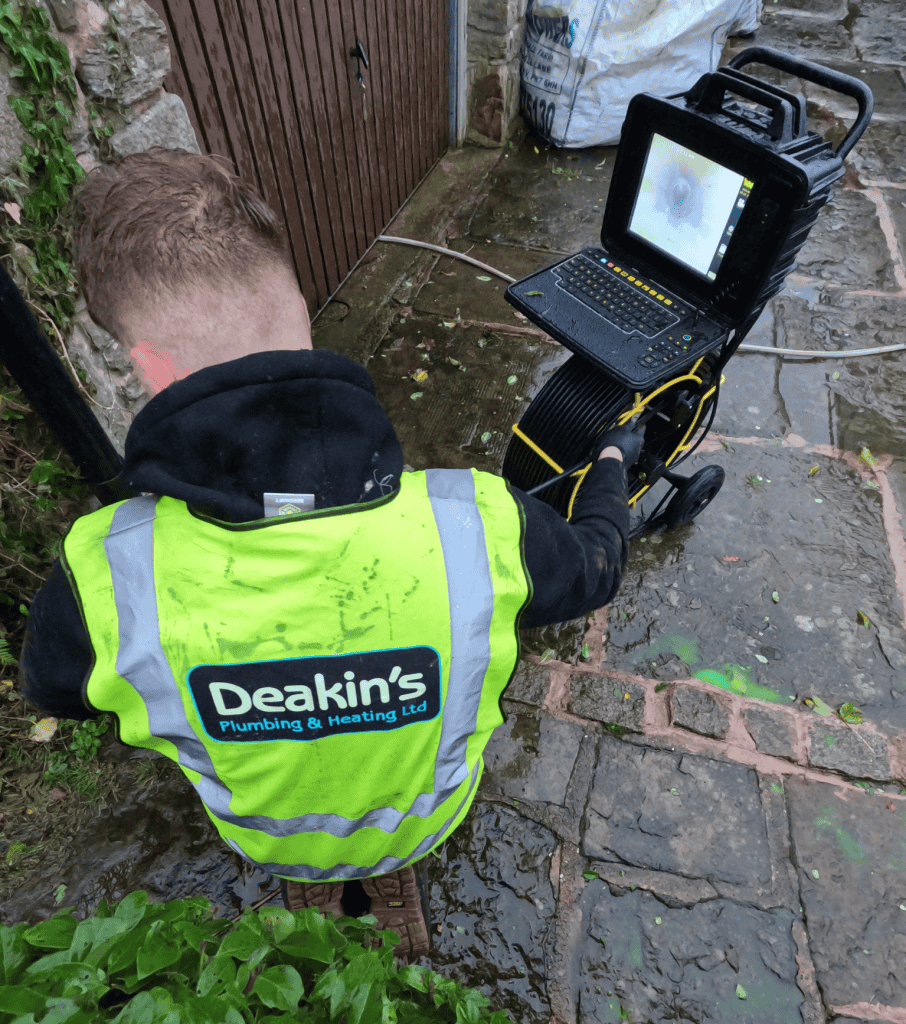
- Get Professional Advice: If you are unable to locate or resolve the blockage, contacting a professional drainage or plumbing service can be a good solution. They can inspect your drainage system and help confirm the blockage location, clarifying who is responsible for fixing the issue.