Need Assistance? Our North West Engineers Are Here To Help

How to Unblock a Toilet Without a Plunger

How to Unblock a Toilet Without a Plunger
Encountering a blocked toilet is always inconvenient, and not having a plunger on hand can make it even more frustrating. Luckily, there are several ways to tackle this common issue using everyday household items. Here’s a comprehensive guide to safely unblocking your toilet and restoring its function.

Step 1: Stop the Water Flow

First things first—before attempting to unblock the toilet, make sure to prevent any potential overflow. This is especially important if you’ve already flushed, and water levels are rising.

Locate the Isolation Valve: Behind or beside the toilet, there should be a small valve on the pipe. Turn it clockwise to stop water from entering the tank. If you’re unable to find or operate the valve, you can remove the lid from the toilet tank and lift the float. This action temporarily stops water from filling the tank.

How to Unblock a Toilet Without a Plunger
Assess Water Levels: Take a look at the water level in the bowl. If it’s close to overflowing, wait a few minutes to see if it begins to drain slowly on its own. Avoid flushing again until the water has receded to a manageable level.
How to Unblock a Toilet Without a Plunger

Step 2: Check for Visible Blockages

How to Unblock a Toilet Without a Plunger

Sometimes, the blockage is caused by a visible item, like too much toilet paper or a small object that’s fallen in. In such cases, you might be able to resolve the issue with a bit of hands-on effort.

  • Use Rubber Gloves: Put on a sturdy pair of rubber gloves to protect your hands. Reach into the bowl and remove any visible obstructions, such as excessive toilet paper or small items.
  • Dispose Safely: If you retrieve any objects, dispose of them properly in a bin rather than flushing again.
How to Unblock a Toilet Without a Plunger

Step 3: Use Hot Water and Washing-Up Liquid

Hot water and washing-up liquid can often do wonders for a simple blockage. The washing-up liquid helps to break down any soap, grease, or other residues, while the hot water can soften and loosen the blockage.

  • Add Washing-Up Liquid: Pour a generous amount of washing-up liquid (around half a cup) into the toilet bowl. This helps to lubricate the pipes and dissolve any fats or soap that may be contributing to the blockage.
How to Unblock a Toilet Without a Plunger
  • Prepare the Hot Water: Boil a kettle, then let the water cool slightly for a minute or two. Pouring boiling water directly into the bowl can damage the porcelain, so it’s best to use hot—but not boiling—water.
  • Pour the Water Carefully: From waist height, pour the hot water into the toilet bowl. Pouring from this height increases the force of the water, which can help push the blockage through.
  • Wait and Observe: Allow a few minutes for the hot water and washing-up liquid to take effect. In many cases, this combination will loosen the blockage enough to clear it.
  • Flush: Once you see that the water level has lowered, try flushing to see if the toilet drains smoothly.
  • Step 4: Try Baking Soda and Vinegar

    How to Unblock a Toilet Without a Plunger

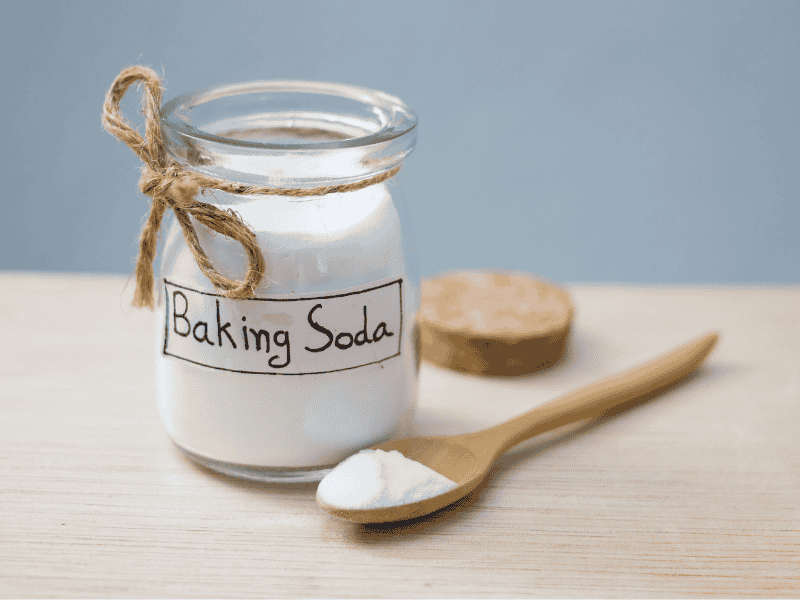
    For tougher blockages, a baking soda and vinegar mixture can be surprisingly effective. The chemical reaction between these two ingredients creates fizzing and expansion that can help break down blockages caused by organic matter.

    • Add Baking Soda: Pour about half a cup of baking soda into the toilet bowl.

    • Follow with Vinegar: Carefully add one to two cups of vinegar to the bowl. Be prepared for some fizzing and bubbling as the baking soda and vinegar react. This is normal and helps to break down the blockage.
    • Let It Sit: Give the mixture 10–15 minutes to work on the blockage. The bubbles will gradually settle as the reaction takes place.
    • Flush to Check: After waiting, flush the toilet to see if the blockage has cleared. This method is often effective for softer clogs caused by organic materials.
    Bathroom Replacement Inspiration

    Step 5: Use a Wire Coat Hanger (If Needed)

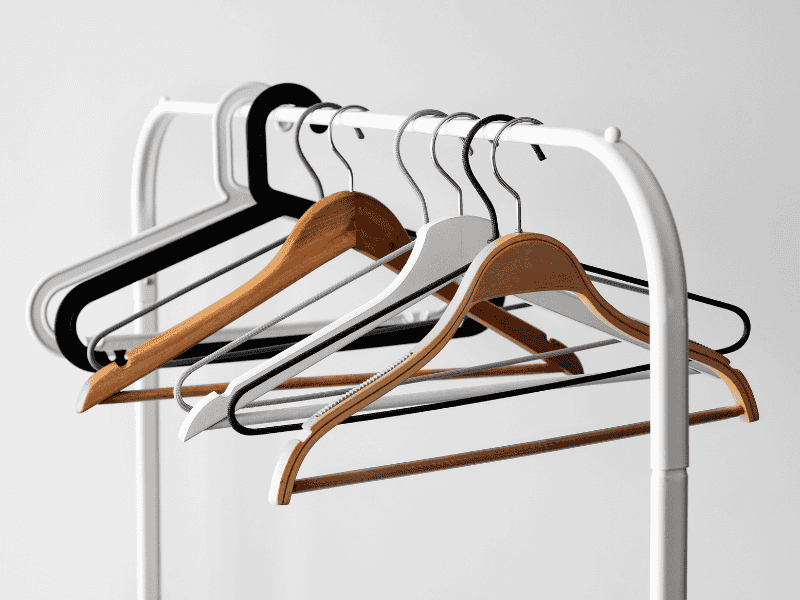
    If the blockage is still persistent, a wire coat hanger can be an excellent last resort. This tool can help dislodge any particularly stubborn clogs that may be sitting just out of reach.

    • Unwind the Coat Hanger: Straighten out a wire coat hanger so you have a long piece of wire. Wrap a cloth around one end and secure it with tape to avoid scratching or damaging the toilet.
    How to Unblock a Toilet Without a Plunger
    • Insert and Probe: Carefully insert the covered end of the coat hanger into the toilet drain. Push gently, moving the wire around to dislodge the blockage. Be cautious to avoid scratching the porcelain surface.
    • Flush and Check: Once you feel you’ve loosened the blockage, flush the toilet to see if it drains properly.
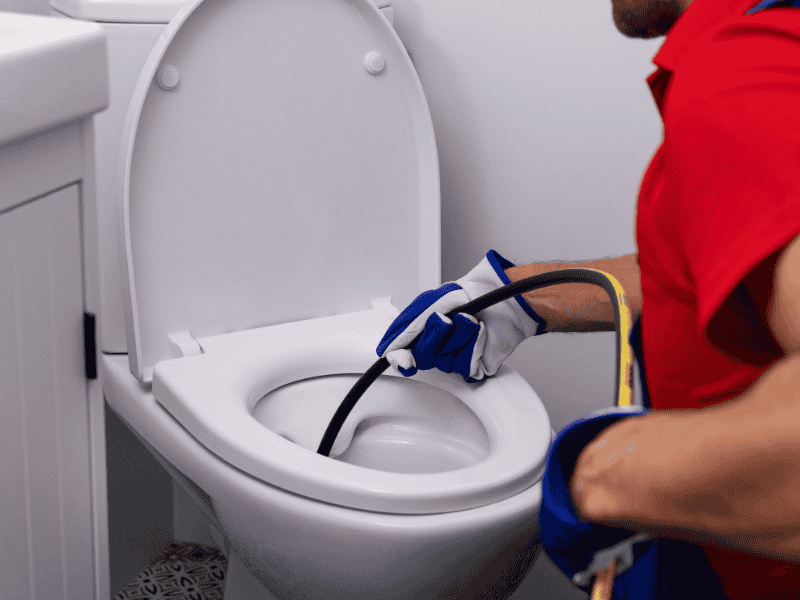
    Deakins plumber unblocking toilet

    Step 6: Use a Wet/Dry Vacuum

    How to Unblock a Toilet Without a Plunger

    If you have access to a wet/dry vacuum, this method can be highly effective, especially for blockages caused by small solid objects.

    • Set Up the Vacuum: Ensure your vacuum is capable of handling water. Remove any dust bags, and prepare it to handle liquid.
    • Seal the Hose: Place the vacuum’s hose over the toilet drain, using an old towel or cloth to create a tight seal around the hose.

    • Suction Out the Blockage: Turn on the vacuum and let it run for a few seconds. This should draw out any obstructions and help clear the pipes.
    • Flush to Confirm: Once you’ve removed the blockage, try flushing to see if the water flows smoothly. Repeat the process if necessary.
    How to Unblock a Toilet Without a Plunger

    When to Call a Professional

    If none of these methods work, it’s possible that the blockage is deeper in the plumbing system or involves more complex issues. In such cases, it’s best to contact a professional plumber to avoid further complications. A plumber will have specialised tools and expertise to identify and resolve deeper issues within the plumbing system. At Deakin’s Plumbing & Heating, our team of skilled professionals is ready to assist you with any plumbing challenges, including stubborn toilet blockages. For expert advice or to schedule a service, contact us today at 01772 426065, or visit Deakin’s Plumbing & Heating to learn more about our services.
    Contact Deakins Today

    Please get in touch with us for all heating, plumbing, drainage or electrical enquiries.. Call us on 01772 426065, or send us a message via our contact form underneath.

    • Max. file size: 1 GB.
    Scroll to Top