
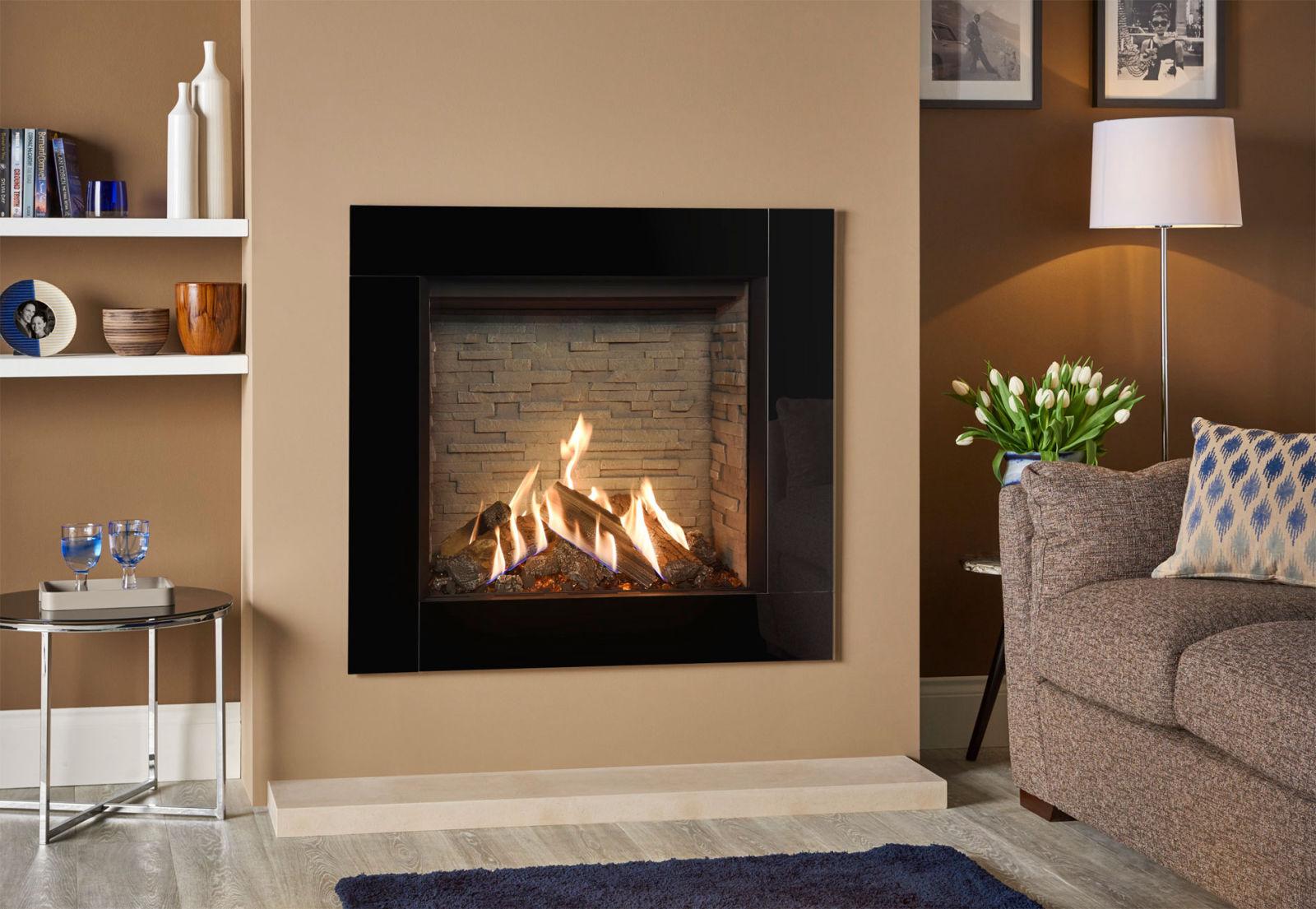
As the colder weather arrives, many homeowners start using their gas fires more regularly. Whether it’s providing extra warmth in the living room or creating a cosy atmosphere on a winter evening, a gas fire can be a useful addition to your home’s heating.
But what happens when your gas fire won’t light, keeps going out or doesn’t seem to be producing as much heat as usual?
There are several possible reasons why a gas fire might stop working properly. While some issues may be relatively straightforward, others can indicate a fault that requires professional attention.
Understanding the warning signs can help you recognise when it’s time to contact a qualified Gas Safe registered engineer.
Why Won’t My Gas Fire Light?
If your gas fire isn’t igniting, the cause will depend on the type of appliance and its ignition system.
Some modern gas fires use electronic ignition systems, while older appliances may have a permanent pilot light.
Common reasons a gas fire might fail to ignite include:
- Faulty ignition components: A worn or damaged component may prevent the fire from lighting correctly.
- Remote-control battery problems: Some gas fires rely on batteries to operate their ignition systems.
- Gas supply issues: A problem with the supply could prevent the appliance from working.
- Faulty safety devices: Built-in safety components may prevent ignition if a fault is detected.
- General wear and tear: Components can deteriorate over time, particularly in older appliances.
If your gas fire repeatedly fails to light, avoid making repeated ignition attempts. Follow the manufacturer’s instructions and arrange an inspection if the issue continues.
Why Does My Gas Fire Keep Going Out?
A gas fire that lights successfully but switches itself off shortly afterwards may have a problem with one of its safety components.
Gas appliances are fitted with safety mechanisms designed to shut down the gas supply if certain operating conditions aren’t met.
For example, some fires incorporate flame supervision devices that stop the gas supply if the flame isn’t detected correctly.
Other issues could involve the ignition system, controls or ventilation arrangements.
Whatever the cause, a gas fire that repeatedly switches itself off shouldn’t be ignored.
Never attempt to bypass or adjust safety components yourself to keep the fire running.
Is It Normal for a Gas Fire to Have Yellow or Orange Flames?
The appearance of a gas fire flame can vary depending on the design of the appliance.
Many decorative gas fires are specifically designed to produce yellow or orange flames that resemble a traditional solid-fuel fire.
However, a sudden change in flame appearance could indicate a problem.
Warning signs may include:
- Flames behaving differently from normal.
- Excessive soot or black staining around the appliance.
- Unusual noises during operation.
- A noticeable reduction in heat output.
- The fire repeatedly shutting down.
If you notice any unusual changes, stop using the appliance and arrange for it to be inspected.
A qualified engineer can determine whether the fire is operating safely and identify any necessary repairs.
What Does It Mean If Your Gas Fire Smells Strange?
A persistent or unusual smell from a gas fire should always be taken seriously.
If you smell gas, don’t attempt to relight the appliance or investigate the problem yourself.
Instead:
- Turn off the gas supply if it’s safe to do so.
- Open doors and windows to help ventilate the property.
- Avoid operating electrical switches or anything that could create a spark.
- Leave the property and contact the National Gas Emergency Service on 0800 111 999 from a safe location.
It’s also important to remember that carbon monoxide cannot be seen, smelt or tasted.
Faulty or incorrectly operating gas appliances can produce carbon monoxide, which is why regular servicing and suitable carbon monoxide alarms are important.
If you suspect carbon monoxide exposure, get everyone into fresh air, seek urgent medical advice and do not use the appliance until it has been checked.
Why Is Regular Gas Fire Servicing Important?
Like boilers and other gas appliances, gas fires require appropriate maintenance to operate safely and efficiently.
Over time, components can become worn, deposits can accumulate and faults may develop.
A professional gas fire service can include checks of:
- The appliance’s general condition.
- Ignition and flame supervision systems.
- Burners and relevant internal components.
- Ventilation and flue arrangements, where applicable.
- Safe operation and combustion performance.
The exact checks will depend on the appliance type and the manufacturer’s instructions.
Regular servicing can help identify potential problems before they develop into more serious faults.
It can also provide reassurance that your gas fire is safe to continue using.
Can You Repair a Gas Fire Yourself?
There are some basic checks homeowners may be able to carry out safely.
For example, if your gas fire uses a battery-powered remote control, the manufacturer’s instructions may explain how to replace the batteries.
However, anything involving internal gas components, burner adjustments or safety devices must be left to a properly qualified professional.
Attempting to dismantle or repair a gas fire without the appropriate qualifications could create serious safety risks.
Gas fire repairs and servicing should always be carried out by a Gas Safe registered engineer who is qualified to work on the relevant type of appliance.
Is It Worth Repairing an Older Gas Fire?
If your gas fire has become unreliable, you might be wondering whether it’s better to repair it or replace it.
The most suitable option will depend on several factors, including:
- The age and general condition of the appliance.
- The type of fault.
- The availability of replacement components.
- The likely repair costs.
- Whether the fire meets your current heating requirements.
In some cases, replacing a faulty component may be sufficient to restore safe operation.
However, if the appliance is particularly old, has developed repeated faults or requires expensive repairs, replacement may be worth considering.
A qualified engineer can assess the condition of your gas fire and explain the available options.
Gas Fire Servicing and Repairs Across the North West
If your gas fire isn’t working properly, keeps switching itself off or hasn’t been serviced for some time, arranging a professional inspection is a sensible next step.
At Deakin’s Plumbing & Heating, our experienced engineers provide gas fire servicing and repairs to help homeowners keep their appliances operating safely.
Whether you’re experiencing ignition problems, unusual flame behaviour or general performance issues, our team can investigate the fault and recommend a suitable solution.
We support homeowners across Chorley, Preston, Leyland, Bolton and the surrounding areas.
If you’re concerned about your gas fire, contact Deakin’s to discuss your requirements and request a free, no-obligation quote.