
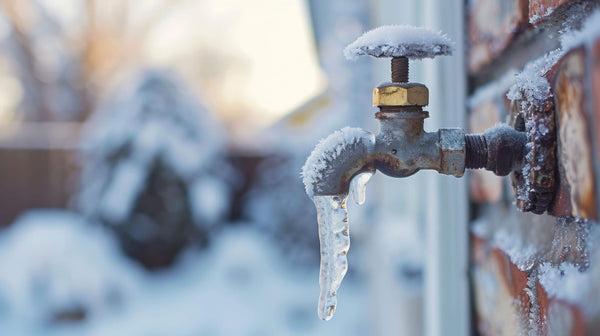
As temperatures drop across the North West, frozen pipes can become a real concern for homeowners. While a cold morning might not seem like a major problem, freezing temperatures can cause water inside exposed pipes to freeze, potentially leading to leaks, burst pipes and unexpected repair bills.
The good news is that a little preparation can go a long way towards protecting your home.
Whether you’re preparing for the first frost or getting your property ready for a particularly cold spell, here are some practical steps you can take to reduce the risk of winter plumbing problems.
Why Do Water Pipes Freeze in Winter?
When temperatures fall below freezing, water inside your plumbing system can begin to turn into ice.
As water freezes, it expands. This can create pressure within the pipework, particularly when ice blocks the normal flow of water.
If enough pressure builds up, the pipe can split or become damaged.
Interestingly, a frozen pipe doesn’t always leak straight away. Sometimes, the damage only becomes apparent when temperatures rise and the ice begins to thaw.
That’s why taking preventative measures before the coldest weather arrives is so important.
Which Pipes Are Most at Risk of Freezing?
Not every pipe in your home is equally vulnerable.
Pipes inside heated rooms are generally better protected than those exposed to cold air or located in areas with little insulation.
Some of the most vulnerable locations include:
- Lofts and roof spaces: Particularly where pipework runs above the insulation.
- Garages and outbuildings: These areas may experience temperatures close to those outdoors.
- Outdoor taps: Exposed directly to cold weather and frost.
- External walls: Pipework running through poorly insulated sections of a property.
- Utility rooms and cupboards: Especially where heating is limited.
- Empty properties: Homes left unheated for extended periods during winter.
Identifying these areas now can help you decide where additional protection might be needed.
Insulate Exposed Water Pipes
One of the simplest ways to help prevent frozen pipes is to ensure exposed pipework is properly insulated.
Pipe insulation, often called lagging, is designed to reduce heat loss and provide additional protection against cold temperatures.
It’s particularly useful for pipes running through garages, lofts and other unheated areas.
When checking your pipework, look for sections where insulation is missing, damaged or doesn’t fully cover the pipe.
Although insulation cannot guarantee that pipes will never freeze, it can significantly reduce their exposure to cold conditions.
For difficult-to-access pipework, a professional plumber can advise on suitable insulation and protection.
Protect Your Outdoor Taps
Outdoor taps are especially vulnerable during winter because they’re directly exposed to freezing temperatures.
If your outside tap has an internal isolation valve, it’s sensible to turn off the water supply and drain the external pipework before prolonged freezing weather arrives.
You can also consider fitting an insulated outdoor tap cover for additional protection.
Remember to disconnect garden hoses, as water trapped inside them can freeze and potentially affect the connected tap or pipework.
If you’re unsure whether your outdoor tap has an isolation valve, a plumber can help identify the safest way to protect it.
Keep Your Heating on During Cold Weather
Turning your heating off completely during freezing weather can increase the risk of pipes becoming too cold, particularly in poorly insulated areas.
Maintaining an appropriate indoor temperature can help reduce that risk.
If you’re planning to be away from home, check whether your heating system has a frost protection setting and follow the manufacturer’s instructions.
Some boilers include built-in frost protection, but it’s important to remember that this may only protect the boiler itself rather than every pipe throughout your home.
You should also check that your heating controls are working as expected.
For more advice, read our guide on whether your heating controls could be costing you money.
Know Where Your Main Stop Tap Is
If a pipe bursts, knowing how to turn off your water supply quickly can help limit the damage.
Your main stop tap is often located beneath the kitchen sink, in a utility room or near the point where the water supply enters your property.
Before winter arrives, make sure you know where it is and that it can be operated safely.
It’s also worth showing other members of your household where the stop tap is located.
If the valve is difficult to turn, seized or inaccessible, consider having it checked by a professional plumber.
What Are the Signs of a Frozen Pipe?
Sometimes the first indication of a frozen pipe is a sudden change in your water supply.
Common warning signs include:
- Little or no water coming from a tap.
- Water pressure suddenly dropping.
- Frost or ice appearing on exposed pipework.
- Unusual sounds when attempting to use a tap.
- A section of pipe feeling unusually cold.
These symptoms don’t always mean a pipe has frozen, but they’re worth investigating during particularly cold weather.
If you suspect a frozen pipe, avoid forcing taps or attempting to thaw inaccessible pipework yourself.
What Should You Do If a Pipe Freezes?
If you suspect a pipe has frozen, the first step is to check for visible damage or signs of leaking.
If you believe the pipe has split, turn off your main water supply where it is safe to do so.
Never use boiling water, naked flames or high-temperature heating equipment to thaw frozen pipework.
For accessible pipes that appear undamaged, gentle warming may be appropriate, but it’s important to avoid exposing electrical equipment or fittings to water.
If you’re unsure how to proceed, or the frozen pipe is concealed within a wall or floor, contact a professional plumber for advice.
Why Frozen Pipes Can Burst When Temperatures Rise
One of the biggest risks associated with frozen pipes occurs when the weather starts warming up.
Ice can temporarily block water from escaping through a damaged section of pipe.
When that ice thaws, water may begin leaking into walls, ceilings or flooring.
After a prolonged cold spell, keep an eye out for:
- Damp patches appearing unexpectedly.
- Water dripping from ceilings or pipework.
- Unusual reductions in water pressure.
- Sounds of running water when taps are switched off.
- Water collecting around cupboards or appliances.
If you discover a leak, isolate the water supply where possible and arrange professional assistance.
Need Help With Winter Plumbing Problems? Contact Deakin’s
Preparing your plumbing for winter can help reduce the risk of frozen pipes, water damage and unexpected repair costs.
However, even well-maintained plumbing systems can experience problems during periods of extreme cold.
At Deakin’s Plumbing & Heating, we provide professional plumbing services, including the investigation and repair of leaking or burst pipes.
Whether you’re concerned about exposed pipework, experiencing a sudden loss of water pressure or dealing with a suspected leak, our experienced team can help.
We support homeowners across Chorley, Preston, Leyland, Bolton and the surrounding areas. If you need assistance, contact Deakin’s to discuss your plumbing problem or request a free, no-obligation quote.