
Buying a house involves checking everything from the roof and windows to the heating system, electrics and general condition of the building. However, one important part of the property is much harder to assess during an ordinary viewing: the underground drainage system.
Drains are largely hidden from view, but damaged or poorly maintained pipework can lead to blockages, leaks, unpleasant smells and potentially disruptive repairs after you move in.
A professional home buyer drain survey can give you a clearer understanding of the drainage system before you commit to purchasing the property.
What Is a Home Buyer Drain Survey?
A home buyer drain survey is a specialist inspection of the underground drainage system at a property you are considering buying.
It may also be described as:
- A pre-purchase drain survey
- A house purchase drain survey
- A home buyer CCTV drain survey
- A property drainage survey
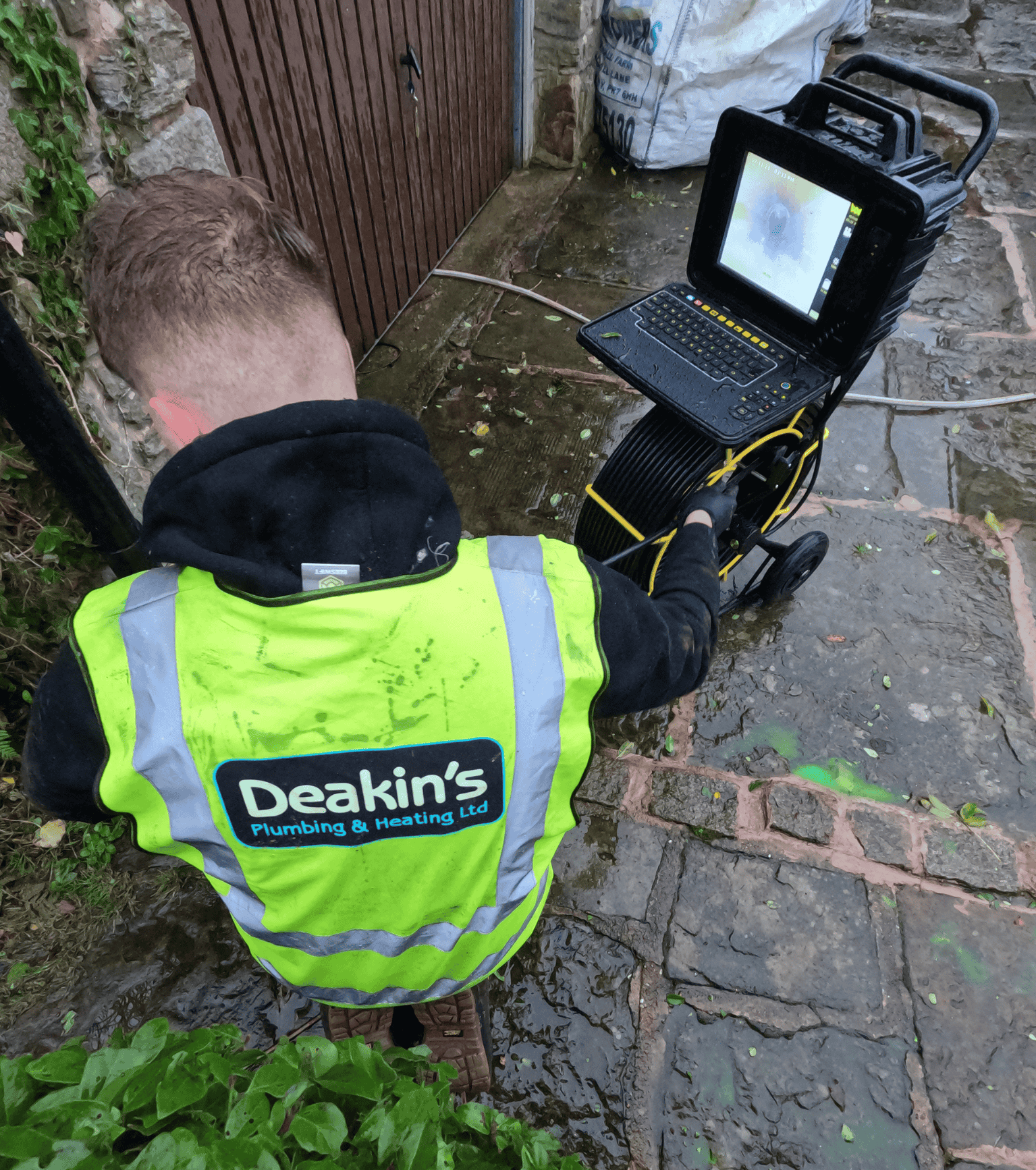
Specialist CCTV equipment is used to inspect the inside of accessible drains and underground pipes. The camera provides a close-up view of areas that cannot normally be assessed from the surface.
The purpose of the survey is to identify existing defects, signs of deterioration and potential problems that may require attention. The findings can then help you make a more informed decision about the property.
Does a Standard House Survey Check the Drains?
The level of drainage inspection included within a general property survey depends on the type of survey being completed.
A surveyor may visually inspect accessible drainage covers or identify warning signs around the property. However, these checks are not the same as feeding a specialist CCTV camera through the underground pipework.
A standard property survey may not reveal cracks, displaced joints, root ingress or obstructions located further along the drainage system. The surveyor may instead recommend a specialist inspection if there are concerns about the condition or performance of the drains.
A dedicated home buyer drain survey allows the inside of the underground pipes to be examined in much greater detail.
Why Can Drainage Problems Be Missed?
A drainage system can appear to be working normally even when a problem is beginning to develop.
Water may still pass through a partially blocked or damaged pipe, particularly when a property is empty or being used less frequently. Problems might only become obvious after several people move in and begin using the toilets, showers, washing machine and other appliances regularly.
Most drainage pipework is also buried beneath floors, gardens, driveways or other parts of the property. This makes it difficult to judge its condition without specialist equipment.
A CCTV drain survey allows the drainage engineer to look inside the pipes rather than relying only on what can be seen at ground level.
What Can a Drain Survey Find?
The exact findings will depend on the property, the condition of the system and the scope of the inspection. However, a home buyer drain survey may uncover several common drainage problems.
Cracked or Fractured Pipes
Drainage pipes can crack because of ground movement, age, pressure from above or deterioration of the pipe material.
Even a relatively small crack can allow water to escape or surrounding soil to enter the pipe. If left untreated, the damage may gradually become worse.
Displaced Pipe Joints
Sections of pipe can move apart or become misaligned. Displaced joints may restrict water flow and create edges where waste, paper and other materials collect.
They may also allow surrounding soil, water or tree roots to enter the drainage system.
Root Ingress
Roots from nearby trees and plants can enter drains through small cracks, gaps or loose joints.
Once inside, roots may continue to grow and form a substantial obstruction. They can also place additional pressure on the pipe and worsen existing structural damage.
Blockages and Build-Up
Grease, fat, scale, debris and other materials can gradually reduce the internal diameter of a drain.
A survey may reveal a developing obstruction before it causes a complete blockage or wastewater begins backing up into the property.
Collapsed Drains
A badly damaged pipe may partially or completely collapse. This can prevent wastewater from passing through the system and may require professional repair or replacement.
A collapse may not always be obvious from the surface, particularly if it is located beneath a garden, driveway or floor.
Incorrect or Unclear Connections
A CCTV inspection can help clarify how sections of the drainage system are connected and identify possible misconnections.
Depending on the scope of the survey, it may also provide useful information about pipe direction, drainage routes and connections between different parts of the property.
Previous Drainage Repairs
The inspection may reveal patched, relined or replaced sections of drainage.
Previous repairs are not automatically a cause for concern. However, understanding where work has been completed can help build a clearer picture of the system’s history and current condition.
Which Properties Are Most Likely to Benefit?
A drain survey can be useful when buying almost any property, but it may be particularly worthwhile when:
- The property is older
- There are mature trees close to the drains
- The house has been extended or significantly altered
- The surveyor has recommended further drainage investigations
- There are signs of damp, subsidence or ground movement
- Toilets, sinks or baths drain slowly
- There are unpleasant smells around the property
- Inspection chambers contain standing water or waste
- The seller has mentioned previous blockages or drainage repairs
- The route or ownership of the drainage system is unclear
You may also choose to arrange an inspection simply because you want greater reassurance before making a substantial financial commitment.
When Should You Arrange a Drain Survey?
The most useful time to arrange a drain survey is normally after your offer has been accepted but before contracts are exchanged.
At this point, you should have access to the property through the seller or estate agent, but you are not yet legally committed to completing the purchase.
Arranging the survey early enough gives you time to:
- Review the findings
- Ask the drainage contractor questions
- Obtain repair recommendations
- Discuss the results with your surveyor or solicitor
- Request quotations for any necessary work
- Consider whether the findings affect your decision
The current owner or estate agent will need to approve access to the property before the inspection takes place.
Can the Findings Help You Negotiate?
A drain survey does not automatically mean the seller must reduce the price or pay for repairs.
However, clear evidence of a significant drainage defect may help you make a more informed request. Depending on the circumstances, you could ask the seller to complete the repair, renegotiate the purchase price or allow for the likely cost within your moving budget.
For example, the inspection could reveal a collapsed section of pipe, extensive root ingress or damage beneath a driveway. Having this information before exchange allows you to investigate the likely repair cost rather than discovering the problem after moving in.
You should discuss serious findings with your property surveyor, conveyancer or solicitor before deciding how to proceed.
What Happens If a Problem Is Found?
Finding a drainage problem does not always mean that large areas of the property will need to be excavated.
Some blockages and deposits may be resolved through professional drain cleaning or water jetting. Localised damage may sometimes be repaired using modern patching or relining methods, while more serious structural defects may require sections of pipework to be replaced.
The most suitable solution will depend on:
- The location of the defect
- The material and diameter of the pipe
- The extent of the damage
- Access to the drainage system
- Whether the pipe remains structurally sound
Deakin’s can explain the survey findings and advise whether further CCTV drain inspection, drainage repairs or drain relining may be appropriate.
Is a Home Buyer Drain Survey Worth It?
A drain survey is an additional expense during an already costly house purchase, so it is understandable to question whether one is necessary.
The main value of the survey comes from reducing uncertainty.
A clear inspection may provide reassurance that no significant visible defects were found at the time of the survey. Where a problem is discovered, it gives you the opportunity to understand the likely implications before you become responsible for the property.
A survey cannot guarantee that a drain will never develop a problem. However, it can provide considerably more information than relying only on surface-level observations or waiting for a blockage to occur.
Frequently Asked Questions
Is a Drain Survey Compulsory When Buying a House?
A drain survey is not normally compulsory for every property purchase. However, it may be recommended by your property surveyor, solicitor, mortgage lender or insurance provider where there are concerns about the drainage system.
Does a Home Buyer Survey Include a CCTV Drain Inspection?
A general home survey may include limited visual checks of accessible inspection chambers, depending on the level of survey being completed. A CCTV inspection of the underground pipes would normally need to be arranged separately.
Can I Arrange a Drain Survey Before I Own the Property?
Yes. Home buyer drain surveys are commonly arranged after an offer has been accepted. However, the current owner or estate agent must give permission and provide access to the property.
How Long Does a Home Buyer Drain Survey Take?
The time required will depend on the size and complexity of the drainage system, the number of accessible inspection chambers and whether any blockages prevent the camera from travelling through the pipes.
Will the Survey Show Who Owns the Drains?
The inspection may help establish the drainage layout and identify where pipes run. However, responsibility for drains and sewers may also need to be confirmed through property searches, drainage records or your conveyancer.
What If the Drains Cannot Be Fully Inspected?
Access may sometimes be restricted by blocked pipes, inaccessible chambers, heavy deposits or sections of drainage that cannot be safely reached. The drainage engineer should explain any limitations and recommend whether further investigation or cleaning is required.
Arrange a Home Buyer Drain Survey in Chorley
If you are purchasing a property in Chorley or the surrounding area, Deakin’s can inspect the drainage system and help you understand its current condition.
Our home buyer drain surveys use specialist CCTV equipment to investigate hidden sections of pipework and identify defects that may otherwise remain unnoticed during a general property inspection.
Contact Deakin’s to discuss the property, arrange access and book your survey before completing your purchase.