
As the colder weather settles in, many households across the North West start relying more heavily on electrical appliances. From portable heaters and additional lighting to Christmas decorations and outdoor electrical equipment, winter can place extra demands on your home’s electrical system.
While most electrical installations are designed to cope with everyday use, damaged equipment, overloaded sockets and ageing wiring can create potential safety risks.
Taking a few simple precautions now can help protect your home and family throughout the colder months.
Here are some of the most common winter electrical safety issues to look out for and when it’s worth calling a qualified electrician.
Are You Overloading Your Plug Sockets?
During winter, it’s easy to find yourself using more electrical appliances than usual.
Portable heaters, lamps, kitchen appliances and festive decorations can quickly fill available sockets, particularly in older properties with fewer outlets.
However, plugging too many high-powered appliances into one socket or extension lead can cause overheating and increase the risk of electrical fires.
To reduce the risk:
- Avoid overloading extension leads: Check their maximum electrical rating before connecting appliances.
- Plug portable heaters directly into wall sockets: Avoid using extension leads or adaptors for high-powered heaters.
- Never connect extension leads together: This can increase the risk of overloading and overheating.
- Check plugs and sockets regularly: Look for discolouration, damage or unusual heat.
- Spread electrical demand appropriately: Don’t rely on one socket to supply several high-powered appliances.
If you’re regularly running out of sockets, it may be worth considering additional professionally installed outlets rather than relying on multiple adaptors.
How to Use Portable Electric Heaters Safely
Portable electric heaters can be useful for warming rooms that aren’t regularly used or providing additional heat during particularly cold weather.
However, they must be positioned and operated carefully.
Always place a heater on a stable, level surface and keep it away from curtains, furniture, bedding and other flammable materials.
Avoid placing heaters in busy walkways where they could be knocked over, and make sure electrical cables aren’t trapped underneath furniture or rugs.
You should also:
- Never cover a portable heater or use it to dry clothing unless specifically designed for that purpose.
- Keep heaters away from water and damp areas.
- Follow the manufacturer’s recommended clearances.
- Switch heaters off when leaving the room or going to bed.
- Stop using equipment that produces unusual smells, sounds or excessive heat.
If a heater repeatedly trips your electrics, don’t ignore the problem. The appliance or electrical circuit may need checking.
Check Electrical Appliances Before Using Them
Many electrical appliances are stored away during the warmer months and only brought out again when winter arrives.
Before plugging in a heater, electric blanket or seasonal appliance, take a moment to check its condition.
Look for:
- Frayed or damaged power cables.
- Cracked or loose plugs.
- Exposed wiring.
- Signs of overheating or scorching.
- Damaged switches or controls.
- Unusual noises when the appliance is operating.
If you notice any visible damage, stop using the equipment.
Damaged electrical appliances should be assessed by a competent professional or replaced rather than continuing to use them.
Why Does My Consumer Unit Keep Tripping?
Your consumer unit, sometimes called a fuse box, contains protective devices designed to disconnect the electrical supply when certain faults occur.
If a circuit breaker or residual current device (RCD) repeatedly trips, it could indicate an electrical problem.
Possible causes include:
- A faulty electrical appliance.
- Damaged wiring or connections.
- Moisture entering outdoor electrical equipment.
- Excessive demand on an electrical circuit.
- An electrical fault causing current to leak to earth.
Occasional tripping doesn’t necessarily mean there’s a serious problem, but repeated incidents shouldn’t be ignored.
Avoid continually resetting a protective device without identifying the cause.
If you’re experiencing regular electrical trips, a qualified electrician can inspect the affected circuit and investigate the fault.
Outdoor Electrical Safety During Winter
Cold temperatures, rain and damp conditions can create additional challenges for outdoor electrical equipment.
Garden lighting, external sockets, security lights and power supplies should all be suitable for outdoor use.
It’s particularly important to check equipment that has been exposed to the weather for extended periods.
Make sure that:
- Outdoor lights and fittings have an appropriate weather-resistance rating.
- Cables aren’t damaged or exposed to unnecessary wear.
- Electrical connections are protected from moisture.
- External sockets and equipment have suitable RCD protection.
- Damaged outdoor electrical fittings are repaired or replaced.
If you’re planning to install additional security lighting or external sockets, professional installation can help ensure everything is suitable for the environment.
Putting Up Christmas Lights? Check Them First
As November comes to an end, many households will be getting ready to put up their Christmas decorations.
Decorative lighting can create a lovely atmosphere, but it’s important to check that electrical decorations are safe before installing them.
If you’re reusing lights from previous years, inspect the cables, plugs and connections for damage.
Only use outdoor-rated lights outside, and follow the manufacturer’s instructions regarding power supplies and the number of lighting sets that can be connected.
LED Christmas lights are generally more energy-efficient and produce less heat than traditional incandescent bulbs.
However, even LED lighting should be used correctly and checked for damage.
Remember to switch off decorative lighting when appropriate, particularly when going to bed or leaving the property.
Signs Your Home May Need an Electrical Inspection
Electrical problems aren’t always obvious.
In some cases, the first warning sign may be a socket that feels unusually hot, a circuit that keeps tripping or an appliance that doesn’t operate as expected.
Other warning signs include:
- Flickering lights without an obvious cause.
- Buzzing or crackling sounds from switches or sockets.
- Burning smells near electrical fittings.
- Discoloured or damaged socket outlets.
- Repeatedly tripping circuit breakers.
- Old or visibly damaged wiring.
These symptoms don’t automatically mean your entire electrical installation needs replacing, but they should be investigated.
An electrical inspection can help identify defects and determine whether repairs or improvements are necessary.
Why Electrical Safety Matters for Landlords
If you’re a landlord, electrical safety is also an important part of maintaining a rental property.
In England, private landlords are generally required to arrange inspections and testing of their electrical installations at least every five years, or sooner where the previous report specifies.
An Electrical Installation Condition Report (EICR) provides information about the condition of the fixed electrical installation and identifies defects or potential safety concerns.
Landlords must also comply with the relevant requirements for addressing electrical safety issues.
If your property’s electrical inspection is approaching its renewal date, arranging it in advance can help you stay on top of your responsibilities.
Electrical Inspections and Repairs Across the North West
Whether you’re concerned about overloaded sockets, unreliable circuits or ageing electrical wiring, it’s important to deal with potential problems before they become more serious.
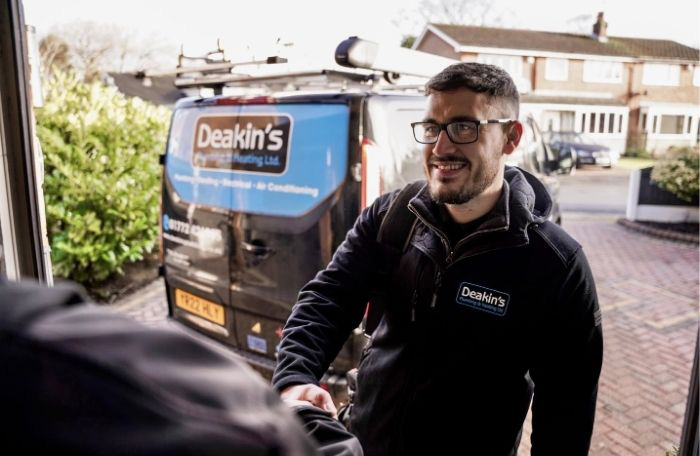
At Deakin’s Plumbing, Heating & Electrical, our experienced team provides professional electrical services to homeowners, landlords and businesses across the North West.
From investigating electrical faults to carrying out inspections and testing, we can help identify problems and recommend suitable solutions.
We support customers across Chorley, Preston, Leyland, Bolton and the surrounding areas.
If you’re concerned about your property’s electrics, contact Deakin’s to discuss your requirements and arrange a professional assessment.