
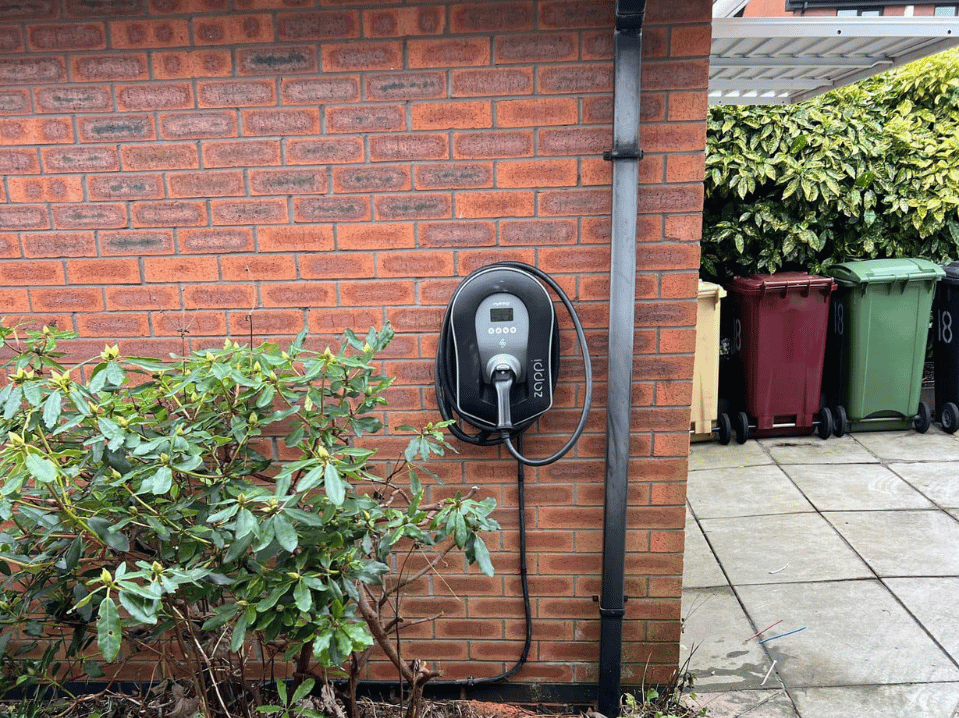
As electric vehicles become more common across the UK, many homeowners are asking the same question: can I install an EV charger at my home?
For households across Chorley, Preston, Leyland, Bolton and the wider North West, home EV charging offers convenience, lower running costs and the ability to charge overnight. However, not every property is suitable for a home charge point, and understanding your options before buying an EV can save time, money and frustration.
In this guide, we’ll explain which types of homes can have an EV charger, the different EV charge point options available in the UK,
and why some properties face installation challenges. If you’d like a quote or advice, visit our
home EV charging installation page.
Which Types of Homes Can Install an EV Charger?
Detached and Semi-Detached Houses
Homes with a private driveway or garage are usually the simplest to install an EV charge point. These properties typically allow:
- Direct access to the vehicle
- Minimal cable routing
- Quicker, lower-complexity installation
For many households, a 7kW home charger is the best balance of charging speed and practicality.
Terraced Houses
Terraced properties can still be suitable, but it depends on parking:
- Off-street parking (front/rear driveway) is often suitable
- On-street-only parking can make home charging difficult
Running charging cables across a public pavement is not a safe or practical long-term solution, so on-street-only homes may need alternatives such as nearby public charge points.
New-Build Homes
Many new-build homes are designed with EV charging in mind. Some include pre-installed cabling or space in the consumer unit, which can reduce the time and cost of installation.
Rented Properties
Tenants may be able to install a charger, but landlord permission is typically required. If you rent, it’s best to confirm permissions and responsibilities before making any commitments.
Homes That Can’t Easily Have an EV Charge Point (and Why)
Flats and Apartments
Flats often present the biggest obstacles due to shared parking, leaseholder restrictions, and permissions from management companies.
In some cases, communal charging solutions can be explored, but these are usually more complex than a standard domestic install.
Parking Away from the Property
If your parking space or garage is separate from your home (for example, in a block of garages or a communal car park), installation may not be practical due to cable distance, ownership boundaries and supply limitations.
Listed Buildings and Conservation Areas
Additional permissions may be required, and restrictions can affect where equipment can be mounted and how cabling is routed.
Types of EV Chargers Available in the UK
3kW “Slow” Charging
Best for: low-mileage drivers with plenty of overnight charging time.
- Pros: lower electrical demand; can be cost-effective in some homes
- Cons: long charging times, especially for larger batteries
7kW “Fast” Home Charging
Best for: most UK households and day-to-day EV use.
- Pros: faster overnight charging; ideal for routine daily driving
- Cons: may require checks or upgrades depending on your home’s electrical setup
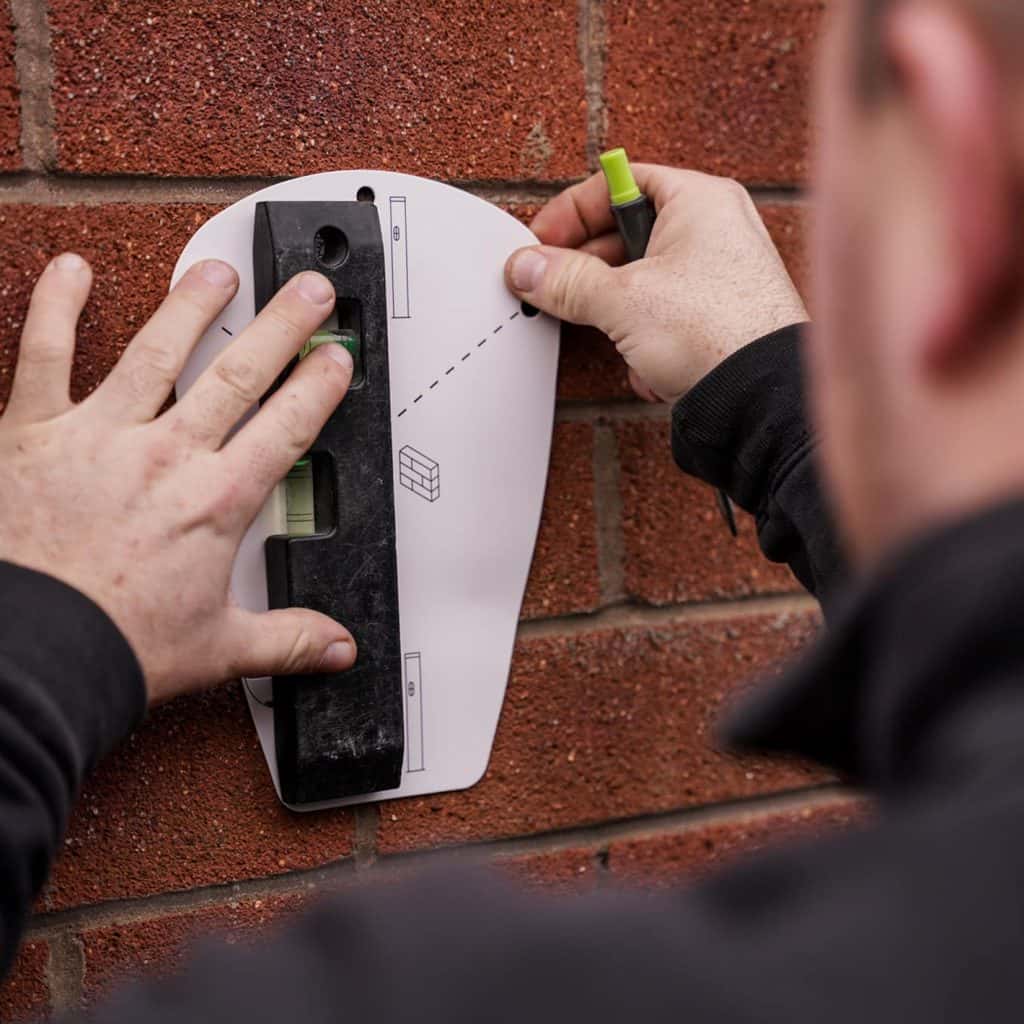
This is the most common choice for homeowners. Learn more about options and installation on our home EV charging page.
Rapid and Ultra-Rapid Charging
These are typically public chargers found at motorway services and charging hubs. They are not suitable for most homes due to their high power requirements.
Pros and Cons of Installing a Home EV Charger
Pros
- Convenient charging at home (particularly overnight)
- Potentially lower charging costs compared to many public chargers
- Less reliance on public charger availability
- Can add appeal for future buyers as EV adoption grows
Cons
- Not all homes have suitable parking or permissions
- Upfront installation costs
- Some properties may need electrical checks or upgrades

What If You Can’t Install a Home EV Charger?
If home installation isn’t possible, you still have options:
- Public charging networks (local rapid/fast chargers)
- Workplace charging
- Council or kerbside charging (where available)
- Shared charging solutions in residential developments
If you’re unsure what’s feasible at your property, speak to a qualified electrician first for practical guidance.
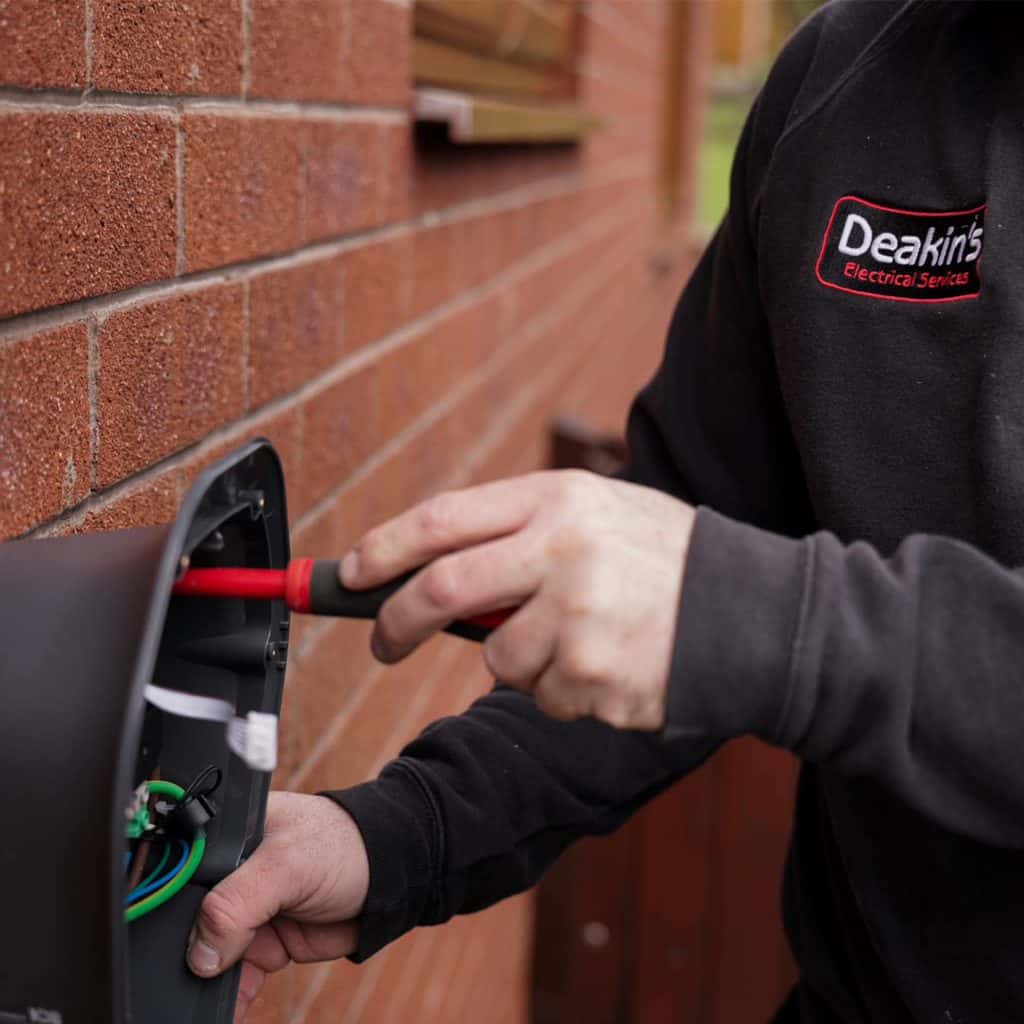
Our electrical services team can help assess your set-up.
Is a Home EV Charger Worth It?
For homeowners with off-street parking, installing an EV charge point is often one of the most practical upgrades you can make when switching to electric.
It can improve convenience, reduce reliance on public chargers and make day-to-day charging simpler.
The best next step is a professional assessment to confirm what’s possible at your home and which charger specification suits your driving habits.
If you’d like advice or a quote in the North West, contact us via the
Deakin’s contact page.

Conclusion
Home EV charging is an increasingly important consideration for UK homeowners, but suitability depends on your property type, parking arrangements and electrical supply. Detached, semi-detached and many driveway-equipped terraced homes are often suitable, while flats, shared parking and off-site spaces can introduce practical barriers.
If you’re based in Chorley, Preston, Leyland, Bolton or nearby areas, our team can help you understand your options and the best-fit charger type.
Explore EV charger installation or get in touch via our contact page.
Looking for local coverage? See the full list of areas we cover.