
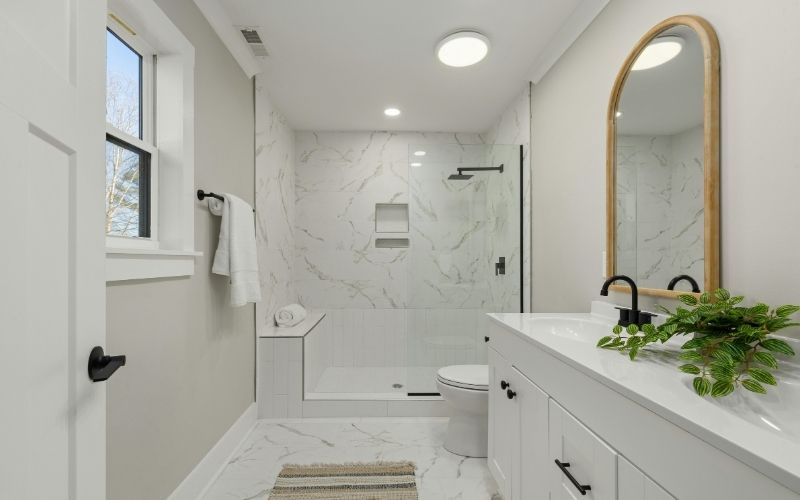
A bathroom renovation is a major investment, and when done correctly, it can last for decades.
However, poor planning or rushed installation decisions can lead to leaks, mould, drainage issues, and expensive repairs.
Whether you’re upgrading a small en-suite or planning a full refurbishment, here are the most common bathroom installation mistakes, and how to avoid them.
Planning & Design Mistakes
1. Poor Ventilation
One of the most common mistakes is failing to install adequate ventilation.
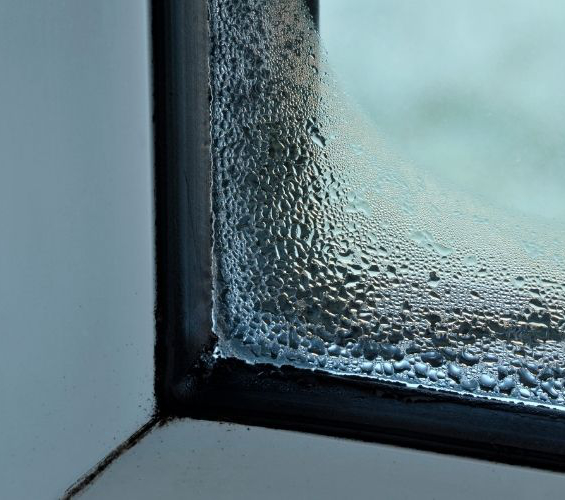
Without proper airflow, bathrooms quickly develop:
- Mould growth
- Damp patches
- Peeling paint
- Condensation damage
How to Avoid It
Install a high-quality extractor fan with a timer and humidity sensor.
Most importantly, ensure it vents outside, not just into a loft or ceiling void.
Good ventilation protects both your finishes and your property structure.
2. Cramped Layouts
Trying to squeeze too many fixtures into a small space can make the bathroom feel uncomfortable and impractical.
Common layout mistakes include:
- Placing the toilet directly in view of the door
- Insufficient space between fixtures
- Restricted movement around sinks or showers
How to Avoid It
- Allow at least 60cm between key fixtures
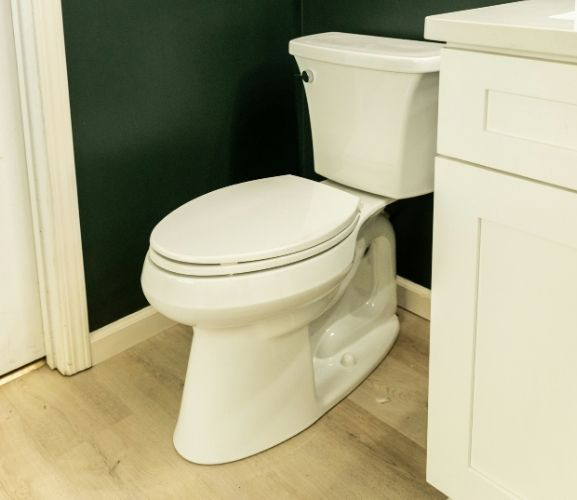
- Leave around 20cm clearance on either side of the toilet
- Position the vanity opposite the door for a more balanced layout
Proper layout planning is one of the most important steps in a successful renovation.
If you’re unsure about spacing and flow, professional Bathroom Design & Installation services can ensure your layout is both functional and visually balanced.
3. Insufficient Lighting
Relying solely on a single ceiling light often makes a bathroom feel dark and smaller than it is.
How to Avoid It
Combine:
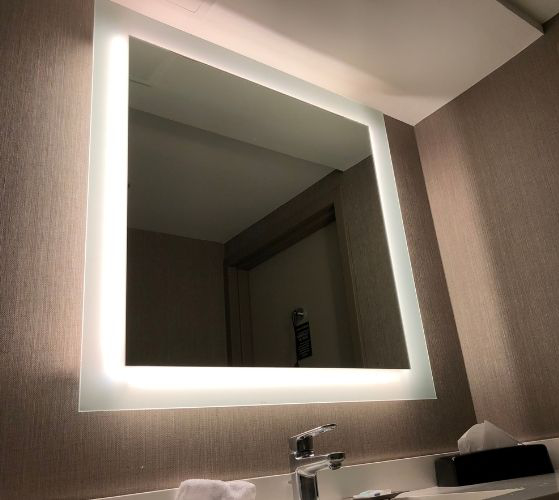
- Task lighting (around mirrors)
- Ambient lighting (LED spotlights)
- Optional feature lighting
Layered lighting improves practicality and atmosphere.
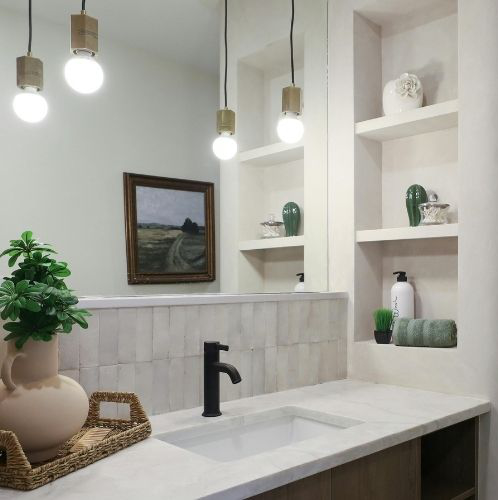
4. Ignoring Storage Needs
Underestimating storage quickly leads to clutter.
Without planned storage, everyday items end up on display, making even a new bathroom feel cramped.
How to Avoid It
Incorporate storage into the design stage:
- Vanity units
- Recessed wall shelves
- Mirror cabinets
- Built-in alcoves
Planning early prevents compromises later.
Installation & Structural Mistakes
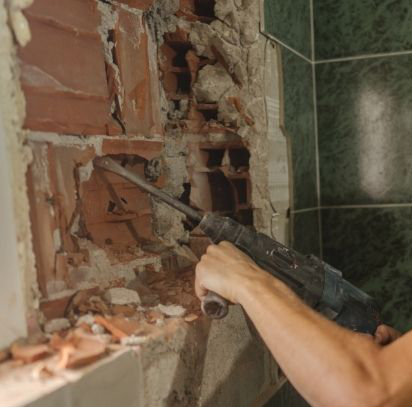
1. Improper Waterproofing (Tanking)
Skipping or incorrectly applying waterproofing behind tiles can lead to leaks and structural damage.
Tiles alone are not waterproof.
How to Avoid It
Use a comprehensive tanking system in:
- Shower areas
- Around baths
- Wet room floors
Professional installation ensures long-term durability and prevents hidden water damage.
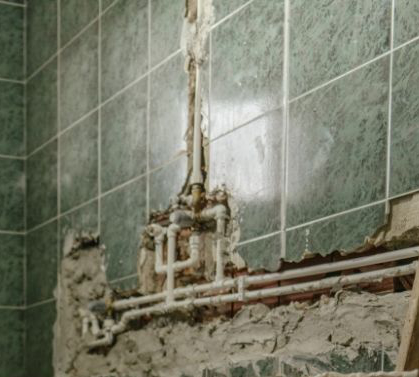
2. Poor Pipework & Drainage Alignment
Incorrect pipe positioning or improper drainage slope can cause:
- Slow drainage
- Leaks behind walls
- Ongoing plumbing issues
How to Avoid It
- Use a qualified plumber
- Verify all pipework before closing walls
- Ensure shower trays are level or slightly graded toward the drain
Precision matters when it comes to plumbing.
3. Inadequate Flooring Support
Modern features like stone baths or heavy vanity units place significant weight on floors. In older properties, this can cause structural problems.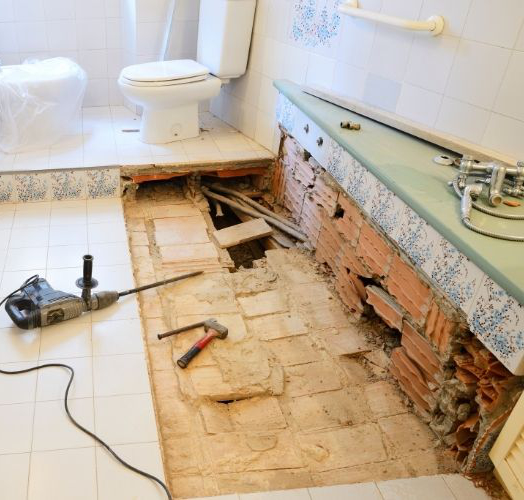
How to Avoid It
Inspect the subfloor and reinforce joists where necessary before installation.
Structural preparation is essential for safety and longevity.
4. Incorrect Tile Choices
Glossy floor tiles may look great, but they can be dangerously slippery when wet.
Ordering tiles in separate batches can also lead to colour mismatches.
How to Avoid It
- Choose matt or textured, non-slip tiles for floors
- Order all tiles at once to avoid shade variations
Function should always come before aesthetics.
later.
Functional Mistakes
1. Poor Faucet & Shower Positioning
Incorrect placement can make showers uncomfortable or impractical.
How to Avoid It
- Test shower head positioning
- Aim for a 16-18 inch shower arm for better coverage
- Consider ceiling-mounted options for walk-in showers
Small adjustments can significantly improve everyday use.
2. Ignoring Future Maintenance Access
Covering pipes or electrical points behind fixed tiles without access panels can create major repair issues later.
How to Avoid It
Install access panels for:
- Whirlpool tubs
- Hidden valves
- Electrical junction boxes
- Pipework shut-offs
Good installation considers future maintenance.
3. Rushed Decisions
Ordering materials too early or making quick design choices often leads to:
- Incorrect sizing
- Compatibility issues
- Wasted materials
How to Avoid It
- Map out your full layout first
- Use tape to mark fixture positions
- Confirm measurements before ordering
Patience during planning prevents expensive mistakes.
Why Professional Installation Matters
Bathroom renovations involve:
- Plumbing
- Electrical work
- Structural considerations
- Waterproofing
- Drainage gradients
Cutting corners can lead to leaks, damp problems, and costly repairs.
Working with experienced professionals helps ensure your bathroom is:
- Durable
- Functional
- Well-designed
- Compliant with building standards
Planning a Bathroom Renovation?
If you’re considering a bathroom upgrade in Chorley or surrounding areas, our team at Deakins NW provides expert Bathroom Design & Installation services, ensuring high-quality finishes, proper waterproofing, and long-lasting results.
Contact us now for emergency plumbing assistance
or
Book an appointment online today.
FAQs
Poor waterproofing and inadequate ventilation are among the most common mistakes. Skipping proper tanking behind tiles or installing an undersized extractor fan often leads to hidden leaks, mould growth, and long-term structural damage.
Ideally, you should allow at least 60cm between major fixtures for comfortable movement. Toilets should have around 20cm of clearance on either side, and sufficient space in front to ensure ease of use. Proper spacing improves both functionality and overall flow.
Tanking creates a waterproof barrier beneath tiles, protecting walls and floors from moisture penetration. Without proper waterproofing, water can seep into plasterboard or timber structures, leading to rot, damp and costly repairs over time.
Yes. Incorrect plumbing connections, improper drainage gradients, weak flooring support or poor waterproofing can all lead to leaks and structural problems. Many issues may not become visible immediately but can cause significant damage if left unnoticed.
While some cosmetic upgrades can be DIY, full bathroom installations involve plumbing, electrics, waterproofing and structural considerations. Professional installation helps ensure compliance with regulations and reduces the risk of costly mistakes.