
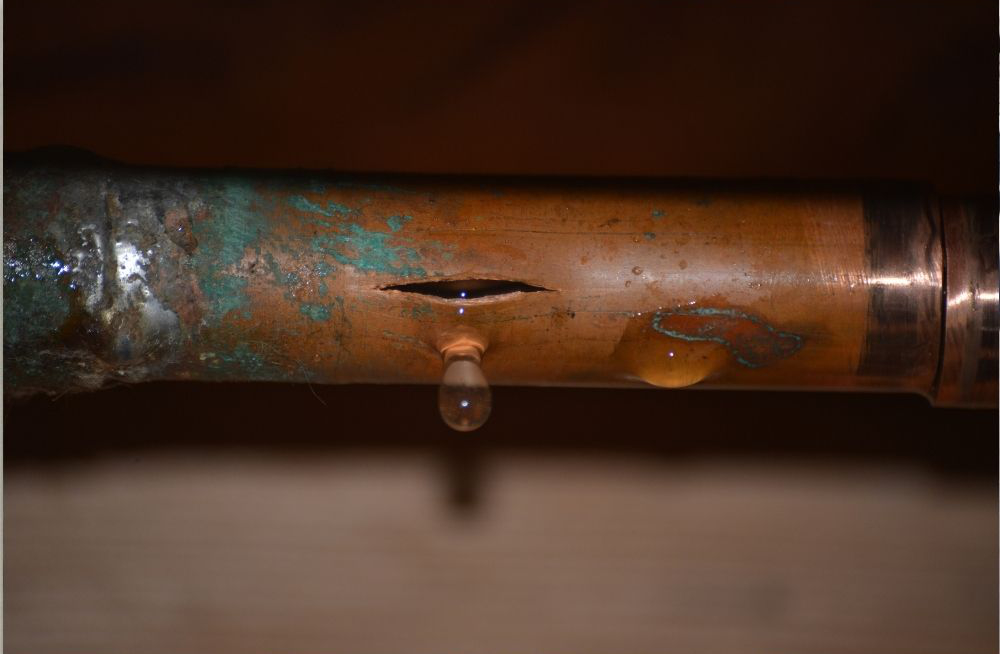
If a pipe bursts in your home, it is crucial to act quickly to minimize water damage and avoid electrical hazards. The most important immediate step is to
shut off the main water supply and turn off the electricity if the water is near outlets or electrical appliances.
1. Shut Off Water the Supply
This is the most important step.
Locate your main stopcock (usually under the kitchen sink, in a basement, garage, or near the water meter) and turn it clockwise until it stops.
If:
- You can’t find it
- It’s stuck
- It won’t fully turn off
Call an emergency plumber straight away.
If the leak is coming from a specific appliance (like a toilet or washing machine), you may be able to turn off the local isolation valve instead.
Tip: If you don’t already know where your stopcock is, it’s worth finding it before an emergency happens.
Learn more about our Leaking & Burst Pipe Repairs service.
2. Turn Off Electricity
If water is near:
- Plug sockets
- Electrical appliances
- Light fittings
- The fuse board
Turn off the electricity at your mains breaker panel.
Important: Never step into standing water if the electricity may still be on.
If you’re unsure, wait for a qualified professional.
3. Drain the System
After turning off the water supply:
- Turn on all cold taps to drain remaining water.
- Flush toilets to empty stored water.
- Turn off your boiler and central heating system to reduce pressure and prevent further strain.
This helps stop additional water escaping from damaged pipes.
4. Contain the Damage
The quicker you control the water, the less long-term damage you’ll face.
- Use towels, mops, buckets, or a wet/dry vacuum.
- Move furniture, electronics, and valuables to a dry area.
- Lift rugs off wet flooring.
If you notice a bulging ceiling:
Place a bucket underneath and carefully pierce the lowest point to release trapped water in a controlled way. This can prevent a full ceiling collapse.
5. Call for Help and Document
Even if the water has stopped, the pipe still needs proper repair.
A licensed emergency plumber can:
- Identify the cause
- Replace the damaged section
- Check for additional weak spots
- Prevent future bursts
6. Document Everything for Insurance
Before major clean-up begins:
- Take clear photos and videos of the damage
- Capture images of the burst pipe
- Photograph affected furniture and flooring
Contact your home insurance provider as soon as possible to begin the claims process.
7. Dry the Area Thoroughly
Lingering moisture leads to mould, warped flooring, and structural issues.
- Open windows where possible
- Use fans and dehumidifiers
- Keep the heating on (especially in winter)
Drying properly is just as important as stopping the leak.
8. Temporary Repairs (If Safe to Do So)
If you can safely access the damaged section, you may be able to apply:
- Epoxy putty
- Pipe repair tape
- Pipe clamps with rubber sleeves
These are only temporary solutions until a professional repair is completed.
Additional Tips Most People Don’t Know
• Do not use electrical appliances that have been exposed to water until they’ve been checked
• Check nearby pipes for freezing if the burst was weather-related
• Contact your water supplier if the burst appears to be outside or underground
• If the burst happened while you were away, check ceilings and flooring in rooms below for hidden damage
Need Emergency Help With a Burst Pipe?
If you’re dealing with a burst pipe, don’t delay. The longer water flows, the worse the damage becomes.
Our team provides:
- Leaking & burst pipe repairs
- Blocked drains and drainage emergencies
- Boiler installation, servicing and repairs
- Central heating and thermostat services
- General plumbing emergencies and appliance repairs
Contact us now for emergency plumbing assistance
or
Book an appointment online today.
We’re here to help protect your home quickly and safely.